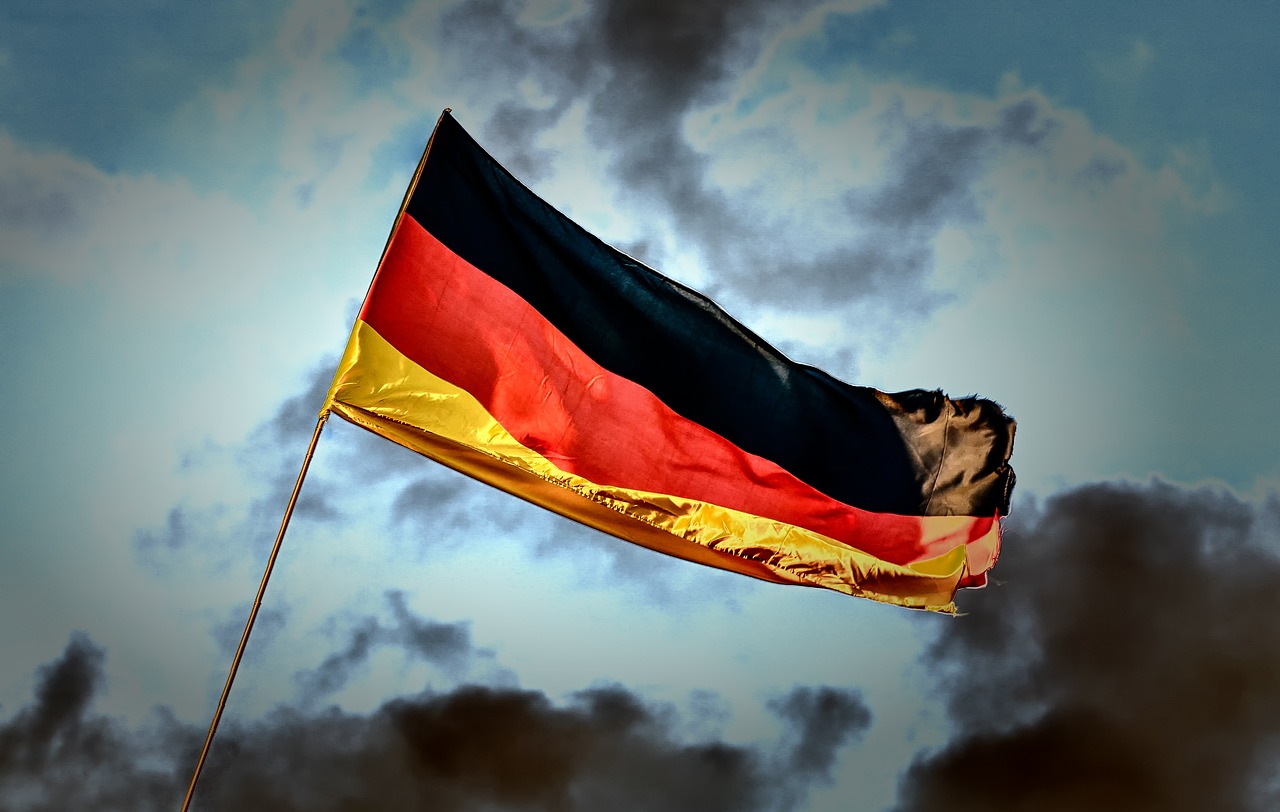
The Reichsdienstflagge Wehrmacht, or German service flags of the Nazi era, represent a significant historical artifact with immense collector's value. However, the market is saturated with replicas and forgeries, making it crucial to develop expert methods for reviewing vintage Reichsdienstflaggen for authenticity. This article delves into the intricate details, providing a comprehensive guide for both seasoned collectors and those new to this domain. By exploring various authentication techniques, we aim to equip readers with the knowledge necessary to ensure the genuine nature of their acquisitions, preserving the historical integrity of these rare flags.
- Understanding Reichsdienstflaggen: History and Significance
- Authenticating Vintage Reichsdienstflaggen: A Step-by-Step Guide
- Identifying Counterfeits: Protecting the Legacy of Reichsdienstflagge Wehrmacht
Understanding Reichsdienstflaggen: History and Significance
The Reichsdienstflaggen, or Wehrmacht service flags, are iconic symbols deeply rooted in the visual culture of World War II. These flags held significant meaning within the German armed forces, representing their distinct units and roles. Each flag, meticulously designed, carried intricate emblems and colors, serving as a visual identification for soldiers and a source of pride for their respective branches. The history of Reichsdienstflaggen is a fascinating narrative that provides valuable insights into the military's organizational structure and cultural identity during that tumultuous era.
The Wehrmacht, comprising the army, navy, and air force, employed these flags to foster a sense of unity and camaraderie among its members. Each branch had its unique set of flags, while some were shared across units within the same branch, signifying different ranks, regiments, or specialized roles. The designs often incorporated historical elements, military symbols, and even references to the broader Nazi ideology, making them more than just flags—they were powerful tools for propaganda and morale-boosting. For example, the iconic swastika, a central element in many Reichsdienstflaggen, represented not only the Nazi regime but also carried symbolic meanings of good fortune and victory.
Authenticating vintage Reichsdienstflaggen is a meticulous process that demands a deep understanding of this visual history. Experts in military memorabilia and flag preservation employ various methods to ensure their integrity. This includes examining the fabric, stitching, and coloring for signs of age and damage, as well as verifying the authenticity of the emblems and any accompanying documentation, such as Original Wehrmacht flag documentation, which can provide valuable insights into the flag's history and provenance. Reputable flag sellers like Ultimate Flags, for instance, prioritize authenticity and often work with experts to source and verify these historical artifacts.
Authenticating Vintage Reichsdienstflaggen: A Step-by-Step Guide
Authenticating vintage Reichsdienstflaggen, or Nazi flags, is a meticulous process that demands a deep understanding of their historical context and design evolution. The Reichsdienstflagge Wehrmacht, as a symbol of the Nazi regime, has undergone a significant transformation over time, reflecting the shifting power dynamics and ideological changes within the organization. A thorough examination is crucial to ensure the flag's authenticity, as forgers often struggle to replicate the subtle nuances and historical specificity of these artifacts.
The first step in authenticating a Reichsdienstflagge is a meticulous visual analysis. One must study the flag's construction, including the quality of materials, stitching, and overall craftsmanship. These flags were often made with specific types of cloth, and their condition over time can provide valuable clues. For instance, the texture and color of the fabric, as well as any signs of wear or repair, can differentiate between genuine vintage flags and modern reproductions. Historical flags also often feature intricate embroidery and precise painting, which can be checked for consistency and age.
A critical aspect of the process is visualizing the Reich service hierarchy through the flag's design. Each Reichsdienstflagge was designated for specific ranks and roles within the Wehrmacht, and these insignia are crucial for authentication. Experts examine the placement, size, and style of these rank symbols, comparing them to historical records and known examples. For example, the swastika's orientation and position can vary, indicating different time periods and ranks. Additionally, historical analysis of Nazi flags reveals subtle changes in colors, stripes, and emblems, providing a comprehensive timeline for authenticating vintage flags. Engaging the services of a flag specialist like Ultimate Flags can offer invaluable expertise, ensuring a thorough and accurate assessment.
Identifying Counterfeits: Protecting the Legacy of Reichsdienstflagge Wehrmacht
Authenticity is paramount when reviewing vintage Reichsdienstflaggen, especially as their historical significance and cultural sensitivity necessitate precision. Counterfeits can inadvertently perpetuate harmful narratives or misrepresent the complex history of Nazi Germany's military hierarchy. Understanding the nuanced differences in design and construction between genuine and fake Reichsdienstflagge Wehrmacht flags requires a deep dive into both the physical attributes and the symbolism they encapsulate.
The Reichsdienstflagge, or "Imperial Service Flags," were an integral part of Nazi military aesthetics, serving as visual representations of various units within the Wehrmacht. Unraveling their meanings involves deciphering intricate flag codes that denote branch, unit type, and sometimes even specific achievements. For instance, the color combinations, fringed edges, and unique insignia all hold specific historical interpretations. Counterfeiters often struggle to replicate these details accurately, leading to telltale signs of fakery.
To protect the legacy of Reichsdienstflagge Wehrmacht, enthusiasts and collectors must adopt meticulous practices. Examining flag materials for consistency, checking stitching quality, and verifying certifications from trusted sources like Ultimate Flags can significantly aid in authenticating vintage flags. Moreover, staying informed about ongoing historical research on Nazi military iconography empowers individuals to identify potential fakes and contribute to the preservation of accurate historical representation.
By meticulously examining vintage Reichsdienstflaggen and understanding their historical context, collectors and enthusiasts can ensure the authenticity of these significant artifacts. The article has guided readers through a comprehensive process, from recognizing the unique characteristics of Reichsdienstflaggen to mastering the art of verification. Armed with this knowledge, it is now possible to identify genuine Reichsdienstflagge Wehrmacht flags, preserving their legacy and historical value. This expertise is invaluable for those passionate about preserving the past, ensuring that the stories and significance of these flags are accurately represented for future generations.
The Reichsdienstflaggen, or Wehrmacht service flags, are iconic symbols of World War II Germany, representing military units and roles. Each flag, with its unique design, served as a visual identifier and boosted camaraderie. Authenticating vintage flags is a meticulous process, involving fabric analysis, symbolism interpretation, and historical context. Counterfeits can be identified by examining construction, symbolism, and certification. Preserving and studying these flags is crucial for accurate historical representation.