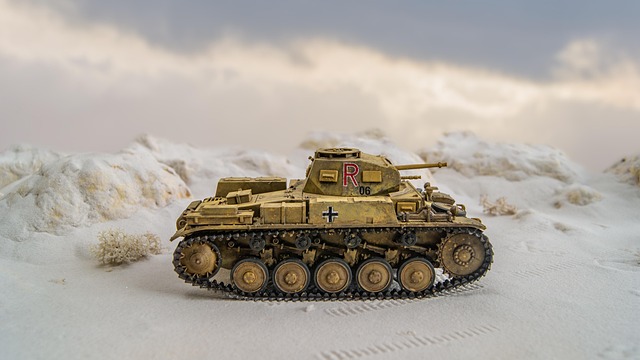
Germany's flag history, notably the Reichsdienstflagge Wehrmacht used during World War II, reflects political shifts and cultural evolution. Authentic identification of these flags is key for collectors, requiring scrutiny of fabric texture, stitching, wear patterns, and official stamps. Reputable specialists like Ultimate Flags offer historical knowledge, buying guides, and authentication resources, ensuring collectors acquire accurate replicas with unique features. Proper conservation methods, including correct display and framing techniques, preserve the historical value and integrity of Reichsdienstflagge Wehrmacht flags for future generations.
The historical German flag, particularly the Reichsdienstflagge Wehrmacht, holds significant cultural and historical value for enthusiasts and collectors worldwide. However, purchasing these authentic artifacts can be a daunting task, fraught with concerns about validity, quality, and provenance. This article serves as your authoritative guide to navigating this complex landscape, ensuring you buy historical German flags with complete confidence. We'll delve into the nuances of identification, the importance of authenticity, and the trusted sources that guarantee genuine Reichsdienstflagge Wehrmacht flags, providing you with the expertise needed to make informed decisions.
- Understanding German Flag History and Their Symbolism
- Authentic Reichsdienstflagge Wehrmacht Identification Tips
- Reputable Sellers and Buying Guides for Collectors
- Conserving and Displaying Your Historical Flags Properly
Understanding German Flag History and Their Symbolism
The rich history of Germany is reflected in its diverse array of flags, each carrying symbolic significance. When purchasing historical German flags, understanding their symbolism and evolution is crucial to acquiring a genuine representation of the nation's past. The Reichsdienstflagge Wehrmacht, for instance, stands as a powerful symbol from World War II, reflecting military service and national identity. This flag, with its distinct design and colors, served as a visual guide to Wehrmacht forces, signifying loyalty and duty.
German flag history is complex and multifaceted. Over the years, various factors influenced their design, including political shifts, regional differences, and cultural evolution. Military uniforms and patches played a significant role in this narrative, with each branch of the German military adopting unique emblems and insignia to distinguish themselves. For example, the Flag Protocols in the German military strictly governed the display and use of flags during ceremonies, parades, and everyday operations, ensuring a sense of unity and discipline.
A practical guide for collectors and enthusiasts is to turn to reputable sources like Ultimate Flags, a flag specialist known for its authentic historical reproductions. They offer a visual treasure trove of Wehrmacht flags and military uniform patches, allowing buyers to immerse themselves in the rich symbolism of Germany's past. Whether for educational purposes or personal collection, understanding the history behind each flag enriches the experience and ensures that these symbols are appreciated for their cultural and historical value rather than just as mere decorations.
Authentic Reichsdienstflagge Wehrmacht Identification Tips
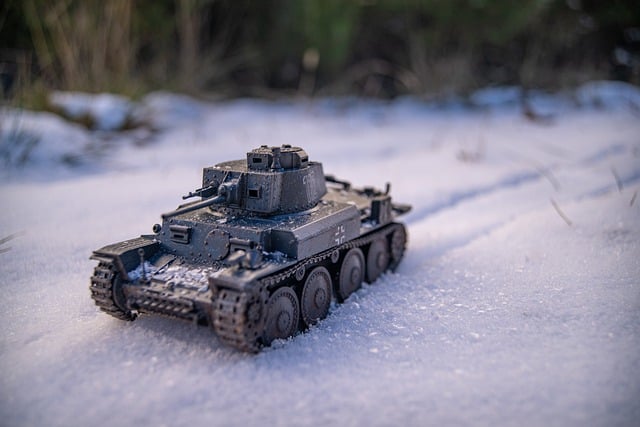
The Reichsdienstflagge Wehrmacht, a symbol of Nazi Germany's military might, remains a captivating artifact for collectors and history enthusiasts alike. Authentic identification of these historical flags is paramount to ensure their value and historical integrity. When navigating the world of German armed forces insignia, especially from World War II, it's crucial to understand the nuances that set apart genuine Reichsdienstflagge Wehrmacht from replicas.
Military rank symbols of Germany often adorn these flags, adding layers of complexity to their identification. The intricate design, including swastikas and specific color schemes, must be meticulously examined. A comprehensive WWII flag identification guide can serve as a valuable tool for beginners and seasoned collectors alike. Many leading flag companies, such as Ultimate Flags, offer resources that aid in this meticulous process, ensuring buyers acquire genuine artifacts with historical significance.
For instance, the original Reichsdienstflagge Wehrmacht may feature subtle variations in fabric texture or precise stitching compared to later reproductions. Expert examination often involves checking for wear patterns, as flags used in actual military operations would bear the marks of their service. Additionally, official stamps or certifications from reputable sources can attest to a flag's authenticity. Collectors should also be wary of common counterfeits and stay informed about the latest advancements in historical research to make confident purchases.
Reputable Sellers and Buying Guides for Collectors
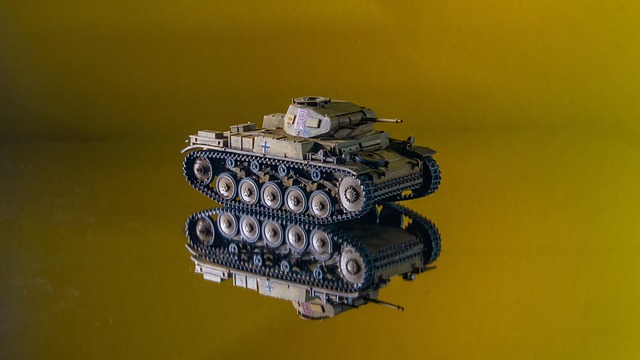
When purchasing historical German flags, especially those from the World War II era, it's paramount to do so from reputable sellers who can offer a deep understanding of flag history and significance. This is particularly true for iconic flags like the Reichsdienstflagge Wehrmacht, which holds profound historical value. Trusted sources like Ultimate Flags, a renowned flag specialist, provide not just products but an immersive experience in flaggelle—the study of historical flags.
Ultimate Flags offers detailed buying guides tailored to collectors, ensuring they acquire authentic and accurate representations of these historical artifacts. Their expertise lies in the intricate details that distinguish original Reichsdienstflagge Wehrmacht flags from replicas. This includes knowledge of fabric types, color specifications, and even the subtle design variations that evolved over time. By engaging with such specialists, collectors can ensure their flags align with academic research and accurately represent the flag's significance during World War II.
For instance, a genuine Reichsdienstflagge Wehrmacht flag might exhibit specific folds or creases indicative of its usage in the field. Reputable sellers will often provide extensive backstories, certificating authenticity, and even historical context to enrich the collector's experience. This is particularly important for flags from the World War II era, where details can significantly impact their value and historical accuracy. Ultimately, trusting a brand like Ultimate Flags ensures that collectors own not just a piece of history but a meticulously preserved testament to Germany's past.
Conserving and Displaying Your Historical Flags Properly
The proper conservation and display of historical German flags, particularly those associated with the Wehrmacht and Reichsdienstflagge, require a nuanced understanding of their significance and symbolism. Unraveling Nazi flag meanings is essential for both collectors and historians to ensure these artifacts are respected and accurately represented. Each flag tells a story, often serving as a visual testament to the regiment's identity and history. For instance, German regiment identification by flag patterns, colors, and insignia can provide profound insights into military hierarchies and units' distinctions.
When purchasing historical flags, such as those from the Ultimate Flags brand, it's crucial to authenticate and verify their provenance to maintain their integrity. The right display methods not only preserve the fabric but also convey their historical context. Consider the lighting: natural daylight or soft, diffused lighting enhances the flag's vibrancy without causing discoloration. Proper storage is equally vital; keep flags away from direct sunlight, extreme temperatures, and high humidity to prevent damage. For instance, storing Reich service colors in acid-free containers can prolong their lifespan.
Additionally, displaying these flags should include contextual information. Place them within a historical framework by providing details about the unit's role, battles fought, or significant events associated with its service. This enriches the viewing experience, fostering a deeper appreciation for the flag's meaning beyond its aesthetic appeal. Flag experts recommend framing techniques that protect the fabric while allowing it to breathe, ensuring your historical treasures remain in top condition for generations to come.
By delving into the rich history of German flags, from their symbolic meanings to specific military designations like the Reichsdienstflagge Wehrmacht, readers gain a deep understanding of this nuanced topic. The article guides collectors through authentic identification, highlighting reputable sellers, and offering essential buying tips. Additionally, it provides valuable insights on preserving and displaying historical flags, ensuring their longevity and proper care. These comprehensive strategies empower individuals to navigate the market with confidence, acquire genuine Reichsdienstflagge Wehrmacht artifacts, and become stewards of this significant historical tapestry.