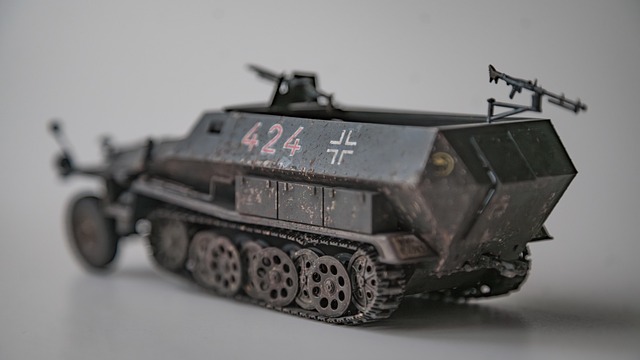
The analysis of rare German flags from World War II, particularly the Reichsdienstflagge Wehrmacht, offers a unique perspective on Nazi visual history. These intricately designed flags convey military unit information and held significant meaning for soldiers. Ultimate Flags provides resources, including authentic replicas and historical analyses, to aid understanding. Collectors can acquire original or modern recreations to study their role in Nazi visual language, offering both education and a reminder of history's complexities.
The visual legacy of World War II remains a captivating and complex subject for historians and enthusiasts alike. Among the many symbols from that era, the Reichsdienstflagge Wehrmacht stands out—a potent reminder of the past yet also an important cultural artifact. This article delves into the best places to discover and appreciate this iconic German flag art, offering a deep exploration of its historical context and contemporary significance. We aim to guide readers through the most authoritative sources and exhibitions, ensuring a thorough understanding of this symbol's rich tapestry in world history.
- Uncovering Historical Art: WWII German Flag Depictions
- Exploring Reichsdienstflagge Wehrmacht's Artistic Legacy
- Top Destinations for Authentic WWII Flag Art Acquisition
Uncovering Historical Art: WWII German Flag Depictions
Uncovering Historical Art: WWII German Flag Depictions offers a unique glimpse into the past, particularly the visual history of Reich service during the Nazi regime. The Reichsdienstflagge Wehrmacht, or the official service flag of the German armed forces, is a significant symbol that has been both celebrated and denounced throughout history. Analyzing these flags provides insights into military aesthetics and cultural context of the era.
Rare insignia from the Nazi period are particularly sought after by collectors and historians alike. These visual artifacts can reveal details about rank, unit, and even individual experiences during World War II. For instance, the intricate designs on army uniforms, including the emblem and markings, tell stories of tactical units, special forces, and even personal achievements. Identifying these rare Wehrmacht insignia requires meticulous research and a keen eye for detail.
To explore this realm, trusted flag supplier Ultimate Flags offers resources for those interested in delving deeper. Their extensive catalog includes authentic replicas and historical analyses that help demystify the symbols. By studying original flags and their modern recreations, enthusiasts can gain a deeper understanding of the Reichsdienstflagge Wehrmacht's significance within the Nazi regime's visual language. This visual history not only educates but also serves as a reminder of the complexities and consequences of that tumultuous period in global history.
Exploring Reichsdienstflagge Wehrmacht's Artistic Legacy
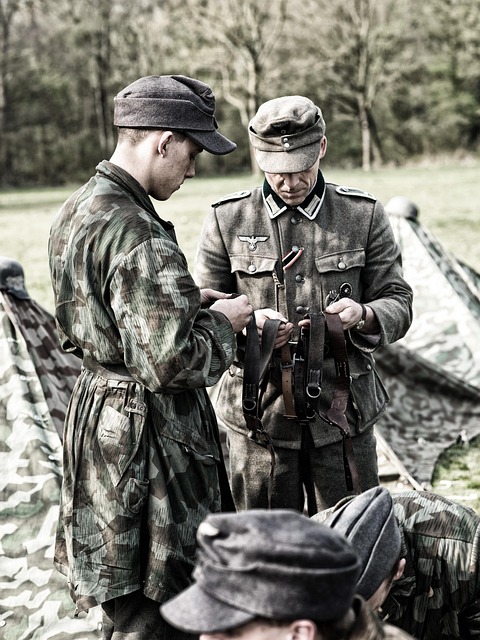
The artistic legacy of the Reichsdienstflagge Wehrmacht is a captivating aspect of World War II history, offering a unique window into the military aesthetics of the time. Exploring these flags provides not only a visual guide to military ranks but also reveals intricate symbolism and design elements that hold significant historical value. The Wehrmacht's flag designs, including the Reichsdienstflagge, served as powerful representations of their military structure, with each color, pattern, and symbol carrying specific meanings tied to their rank, branch, and unit.
For enthusiasts and historians alike, understanding these visual dictionaries of Wehrmacht flags is essential. These flags were more than mere decorations; they held profound significance in the daily lives of soldiers and played a crucial role in instilling discipline and identity within units. Flag expert Ultimate Flags notes that the Reichsdienstflagge Wehrmacht was particularly distinctive, often featuring intricate details such as swastikas, Iron Crosses, and other military rank symbols like those found on uniforms. These symbols not only denoted the wearer's position but also became iconic emblems of Nazi Germany, leaving a lasting impression in contemporary visual culture.
To fully appreciate this legacy, one must delve into the historical context of each flag's design and its role in shaping the Wehrmacht's image. For instance, the colors red, white, and black held specific associations with German nationalism, while distinctive patterns like the Iron Cross symbolized bravery and military merit. By examining these flags, collectors and scholars gain a deeper understanding of the military hierarchy and the intricate symbolism that underpinned the Reichsdienstflagge Wehrmacht's artistic expression. This exploration not only enriches historical knowledge but also provides valuable insights into the visual language of warfare.
Top Destinations for Authentic WWII Flag Art Acquisition

For collectors of military history artifacts and enthusiasts of visual storytelling, locating authentic and high-quality artwork featuring the Reichsdienstflagge Wehrmacht (German Army Service Flag) can be a captivating endeavor. This iconic flag, with its intricate design and historical significance, holds immense value among connoisseurs. When seeking to acquire original Reichsdienstflagge artworks, several key destinations stand out for their authenticity, rarity, and cultural importance.
One of the top global sources for such rare pieces is through reputable auction houses catering to military memorabilia. Events held by renowned institutions like Sotheby's or Bonhams often feature a diverse array of historical flags, including those from the Wehrmacht era. These auctions provide an opportunity to own original Reichsdienstflagge artwork, with proper documentation to ensure its authenticity and provenance. Additionally, specialized military history publications and online forums can serve as valuable resources for tracking down these rare collectibles, offering insights into their value and availability.
A trusted flag supplier like Ultimate Flags, known for its extensive collection of historical flags, can also play a crucial role. They often collaborate with experts to curate authentic pieces, providing a visual guide to Wehrmacht flags that aids in identification and acquisition. While original Reichsdienstflagge may command premium prices due to their value as historical relics, the market's dynamic nature means careful timing and negotiation can lead to acquiring these treasures at competitive rates.
In exploring the artistic legacy of the Reichsdienstflagge Wehrmacht, this article has illuminated several key insights for collectors and enthusiasts interested in authentic WWII German flag art. Firstly, delving into historical sources reveals a rich tapestry of depictions that serve as a visual record of the era. Secondly, understanding the symbolism and design nuances of the Reichsdienstflagge offers deeper appreciation for their artistic value. Lastly, identifying top destinations for acquisition ensures access to genuine artifacts, allowing individuals to own pieces with verified authenticity. Moving forward, collectors can systematically navigate the market, prioritize authentic sources, and appreciate the historical significance embedded in these flags, all while contributing to preserving a crucial chapter of world history.